 Yellowface by R.F. Kuang
My rating: 4 of 5 stars
R.F. Kuang’s “Yellowface” serves a scathingly true representation of the social media universe (and Publishing, I suppose) , weaving a tapestry that’s as engaging as it is anxiety-inducing. The novel draws parallels with the negative tendencies of the digital sphere, creating a narrative that both thrills and unnerves.
"Yellowface" brilliantly sets cultural appropriation, identity, and deception as its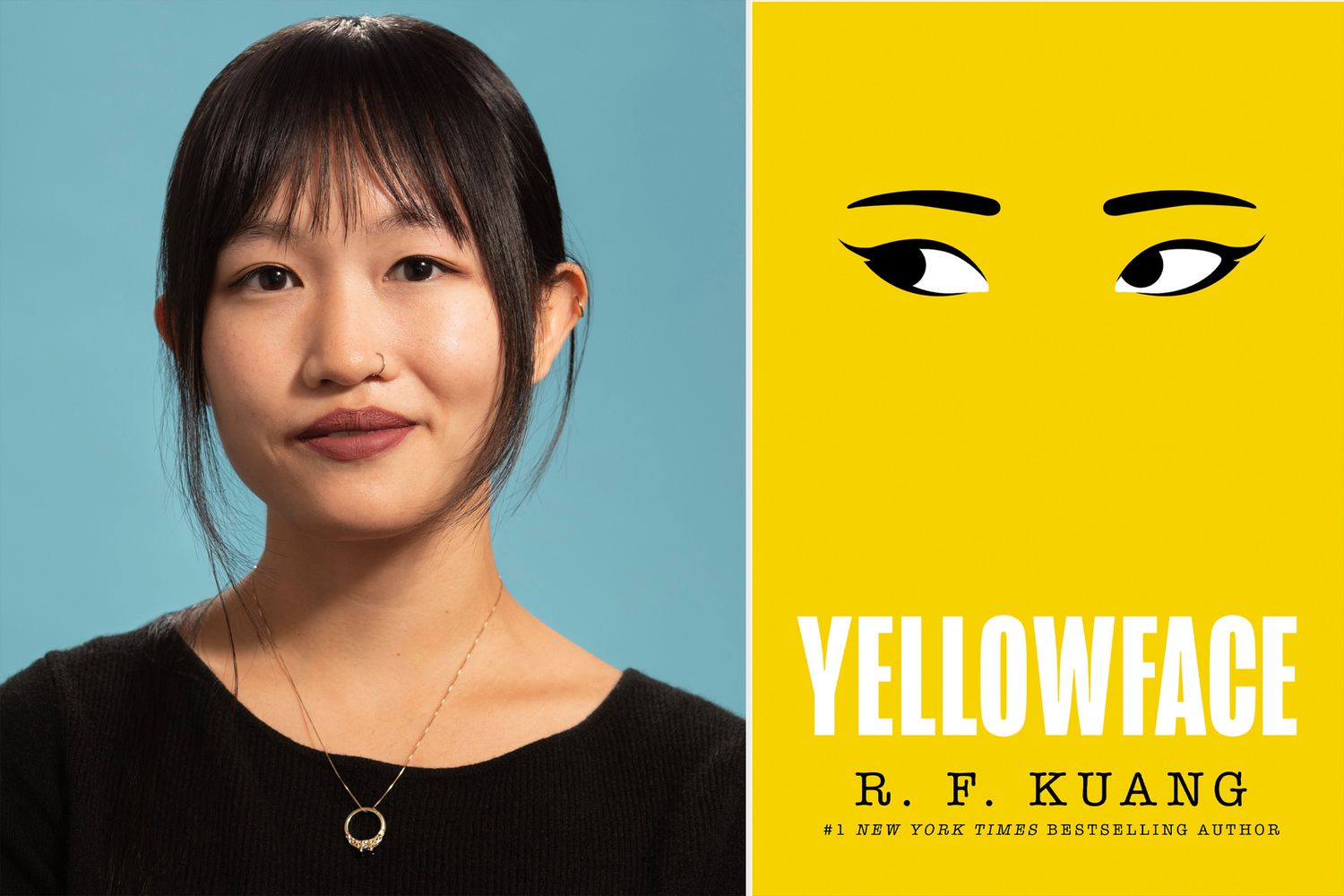
thematic backdrop. Yet, as I immersed myself further, these significant themes subtly transitioned into the canvas against which the exhilarating “will she get away with it, or won't she” suspense was painted. My attention was irresistibly tethered to the anti-hero protagonist’s perilous journey, with each chapter unfolding like a game of high stakes where the rules were as fluid as they were treacherous.
thematic backdrop. Yet, as I immersed myself further, these significant themes subtly transitioned into the canvas against which the exhilarating “will she get away with it, or won't she” suspense was painted. My attention was irresistibly tethered to the anti-hero protagonist’s perilous journey, with each chapter unfolding like a game of high stakes where the rules were as fluid as they were treacherous.
Kuang masterfully maintains a pacing that’s brisk yet unhurried, providing readers, including myself, with a narrative rhythm that’s engrossingly steady. Despite its strengths, the novel occasionally succumbs to predictability due to its transparent foreshadowing, diminishing the impact of certain twists and revealing the ending a tad prematurely. The prose, while direct and efficient, occasionally trades off subtlety for clarity, leaving some nuances of the characters and situations unexplored.
Drawing parallels with a familiar yet thrilling rollercoaster ride, "Yellowface" concluded with a sense of predictability paired with a satisfying emptiness. It didn't deliver a grand revelation but rather presented a subtle acknowledgment of its themes and narrative journey - a ride that's entertaining and worth experiencing.
Through its lens, “Yellowface” reflects not just the nuances of the literary domain but also the broader societal dynamics that characterize our digital age. For those seeking a narrative that is as reflective as it is engaging, with subtle nods to the familiar and the thrill of suspense, Kuang’s novel promises an adventure that’s as thought-provoking as it is entertaining.
4.75 of 5.0
#Yellowface #RFKuang #BookReview #SocialMediaReality #DigitalAge #CulturalAppropriation #Identity #Suspense #MustRead #Bookstagram #BookLover #LiteraryAdventure
View all my reviews

